Candle Buyer’s Cheat Sheet: What To Look For Before You Buy
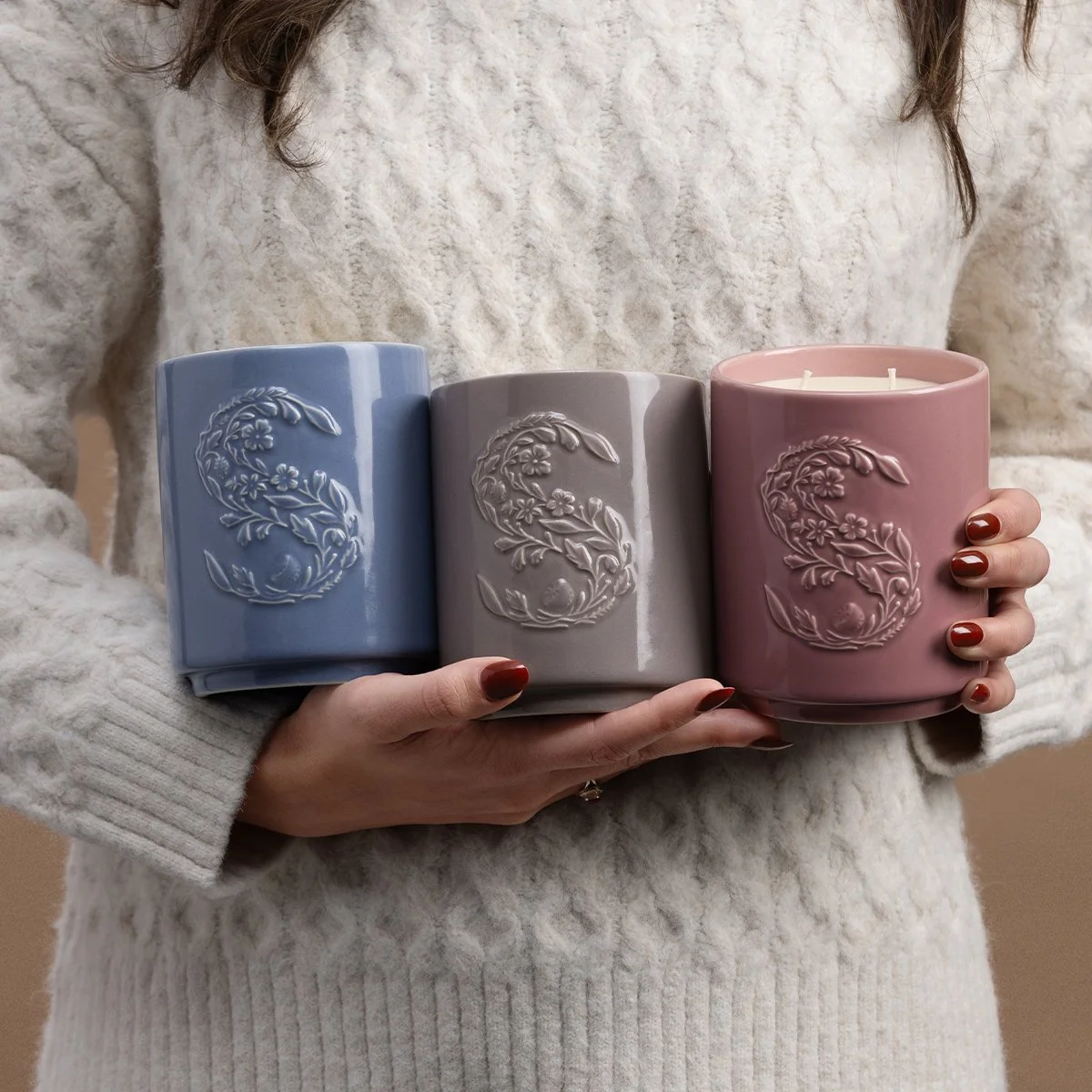
Tell me why buying a candle feels like a personality test.
You stand there in the aisle, sniffing lids, judging labels, doing a quick mental tally of how many half-used candles you already have at home, and hoping the scent you love on cold sniff actually smells good once it’s burning in your space.
Here’s the thing: fragrance isn’t guesswork.
I’ve been a Scentsy consultant for 8 years, which means I’ve spent a long time learning how scent actually works. Wax type, wick type, burn behavior, scent families, top-middle-base notes, how fragrance travels through a room..... all the nerdy details I love so you don’t have to.
So if you want to shop smarter and get the most out of your candles, here’s the cheat sheet I wish everyone had.
1. The Wick Tells You More Than the Label Ever Will
Most people buy with their nose, but wicks are the secret to whether your candle will actually perform.
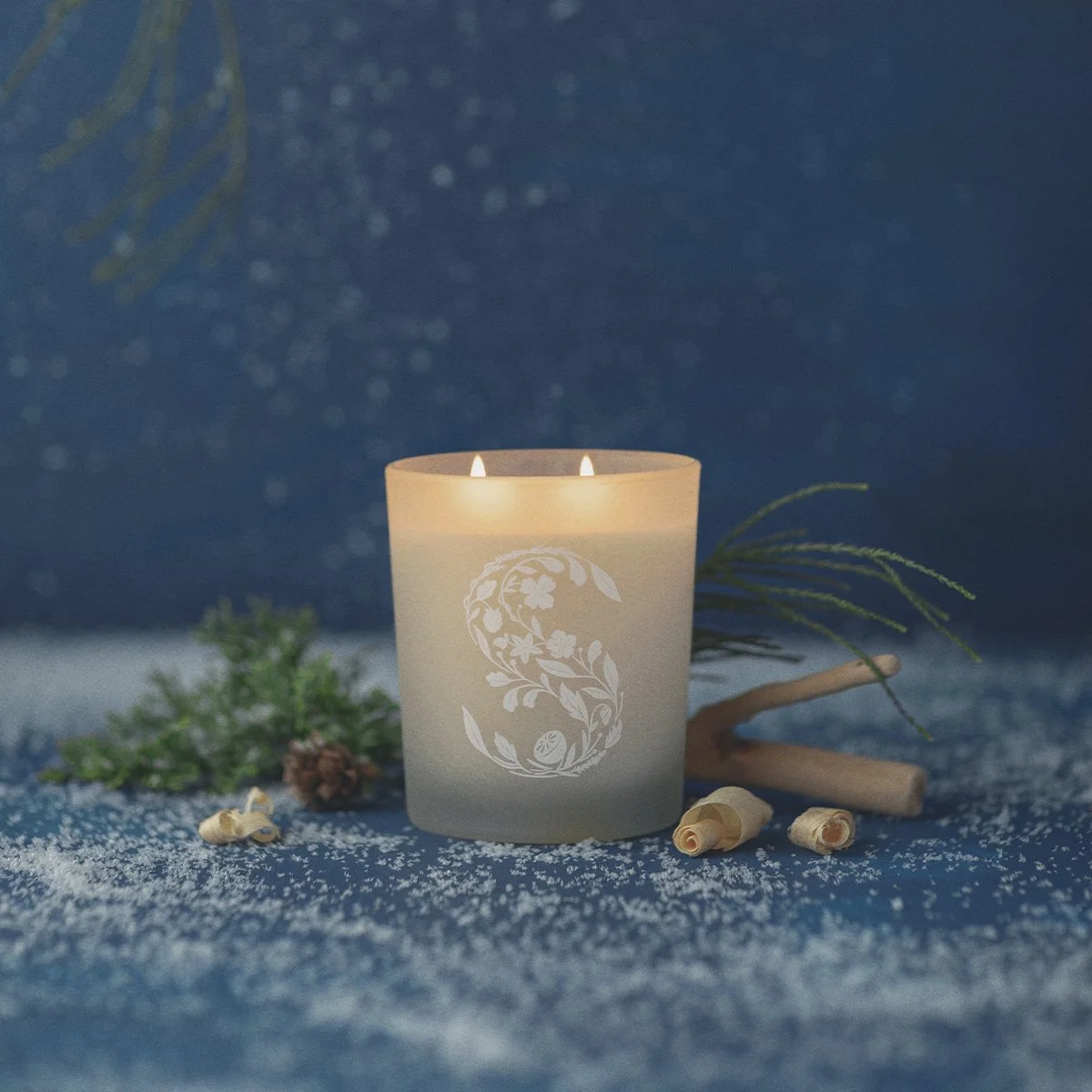
Here’s what to look for:
– Cotton wicks = clean, reliable burn
These are classic for a reason. They burn evenly and safely when trimmed properly.
– Wood wicks = cozy crackle, hotter burn
Fun, but it can burn faster. Still absolutely need trimming.
– Multiple wicks = stronger scent throw
If a candle is wide and only has one wick, it will almost always tunnel.
– And yes, wick trimming matters. Every time.
¼ inch is the sweet spot. Anything longer and your candle burns too hot, wastes wax, throws soot, and kills the fragrance quality.
2. Wax Type Matters More Than You Think
The wax determines scent throw, burn quality, and how long your candle lasts.
Quick breakdown:
– High-grade paraffin wax
Excellent scent throw, consistent melt pool, holds fragrance beautifully.
– Soy or soy blends
Slower burn, softer throw. Great for smaller spaces.
– Beeswax
Natural, subtle, and long-burning.
– Coconut wax
Clean burning and known for great scent performance.
Cheaper candles often use low-quality blends, which is why they burn unevenly or lose scent halfway through. Once you learn to check wax type, you’ll never unsee it.

3. Scent Throw Has Rules (and your house might be breaking them)
People always assume the candle is the problem when they can barely smell it.
Sometimes it is.
But sometimes your home is sabotaging the whole situation.
Things that destroy scent throw:
– Cold areas
Drafty windows, unsealed doors, cold corners.
Cold air crushes fragrance like someone spoiling the end of a book right before you finish it.
– Fans or vents nearby
Airflow pushes scent away from where you want it.
– Very large rooms or high ceilings
One cute little jar cannot scent an entire great room. It needs backup.
– Competing smells
Cooking, laundry, pets... candles can only do so much at once.
And keep in mind that different scent families have different natural strength levels:
– Citrus = bright but light
– Fresh = airy but subtle
– Bakery = cozy and can be powerful
– Woods = long-lasting and deeper
Knowing this will save you so much frustration.
4. Burn Time Rules Are Non-Negotiable
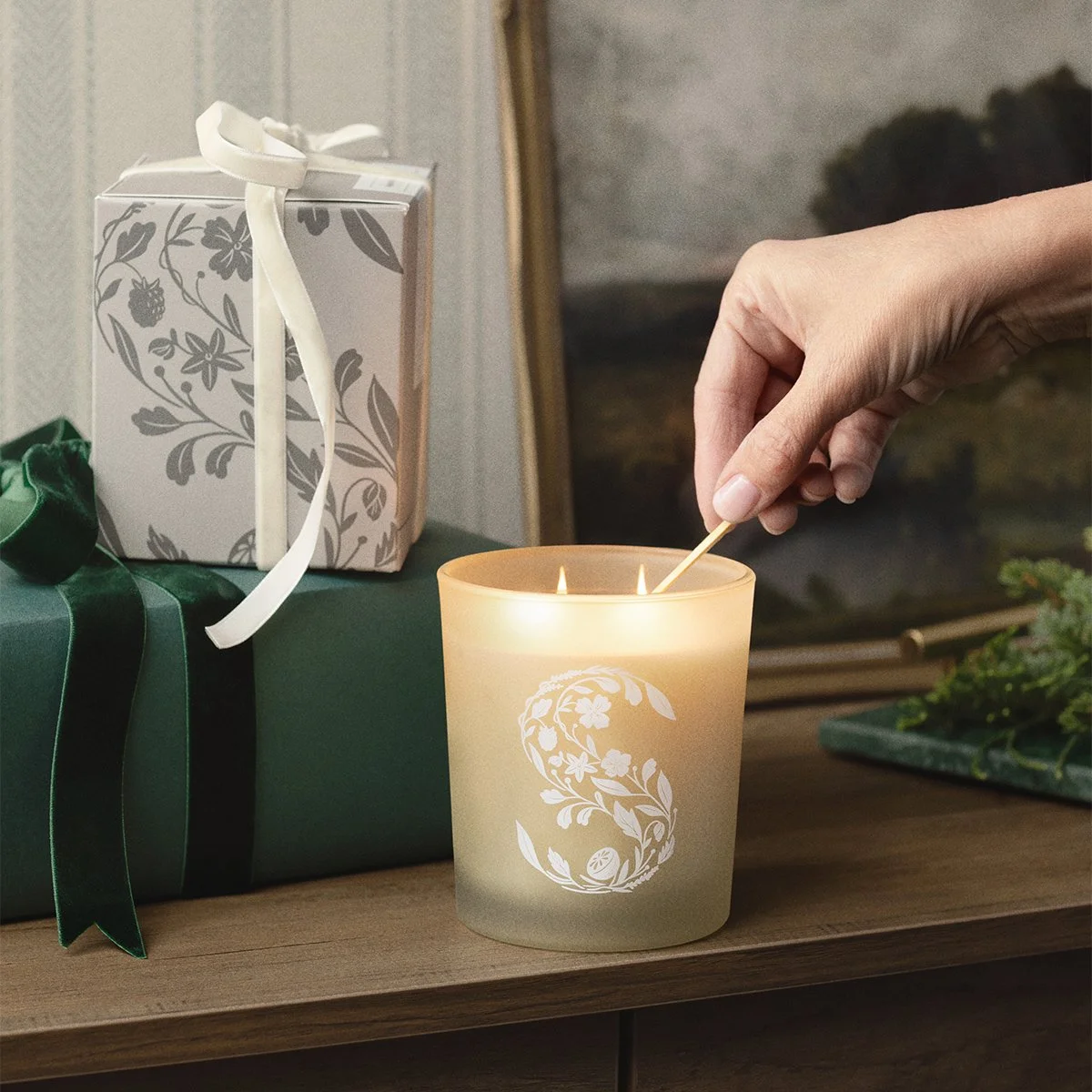
These are the commandments if you want your candle to last and perform.
– Always burn long enough to create a full melt pool
Usually 2 to 3 hours.
– Trim the wick every time before lighting
Truly. Every time.
– Don’t burn it for 6 hours straight
It overheats the jar and kills the fragrance.
– And the big one: stop tunneling before it starts
Here’s how:
When you first light a brand new candle, let the wax melt all the way to the outer edge before blowing it out.
Rule of thumb: 1 hour per inch of the jar’s diameter for the first burn.
That one rule alone transforms the life of a candle.
5. Quick Quality And Safety Checks
These take seconds but tell you instantly whether you’re buying something good:
– Cotton wick
– High-grade wax
– Dye-free if you’re sensitive
– No animal testing
– Even melt on the surface
– No black soot coating the inside of the jar
Clean ingredients, clean burn, clean home.
6. If Candles Aren’t Your Thing, That’s Okay Too

Some people love the ritual of candles.
Others worry about flames or forget to trim wicks or just prefer something easier.
Good news: you can still have an amazing-smelling home.
I’m also a big fan of warming Scentsy wax, Scentsy warmers, oils & diffusers, Scentsy Pods, and fragrance flowers because they’re wick-free, low maintenance, and consistent every time.
Fragrance comes in all shapes and sizes. There is no wrong way to make your home smell good.
Final Thoughts
Once you understand wick type, wax quality, scent throw, burn behavior, and a few easy safety checks, buying candles becomes a lot more fun and a lot less of a gamble.
And now you have the cheat sheet.
What kind of candle shopper are you?
Careful wick-trimmer, label reader, or light-and-hope-for-the-best?
